





Release Date:2025-05
Entering 2025, the battery market for two-wheeler electric vehicles is undergoing tremendous changes. BYD has transferred automotive-grade safety technologies and launched dedicated lithium batteries for two-wheelers. Meanwhile, many brands have announced their entry into the lithium battery sector and rolled out small-capacity lithium batteries. Three major transformations may take place for two-wheeler electric vehicles. Let’s take a closer look.
In May 2025, BYD launched lithium batteries specially designed for two-wheeled vehicles. It brought new energy vehicle and battery technologies down to the two-wheeler segment, enabling two-wheeler EVs to adopt lithium batteries with the Blade Battery structure, which has rewritten the safety challenges of lithium batteries for two-wheelers. BYD’s two-wheeler-specific lithium battery adopts lithium iron phosphate cells. It will not catch fire during needle puncture tests and can withstand high pressure to guarantee battery safety.
Upgraded Safety Performance
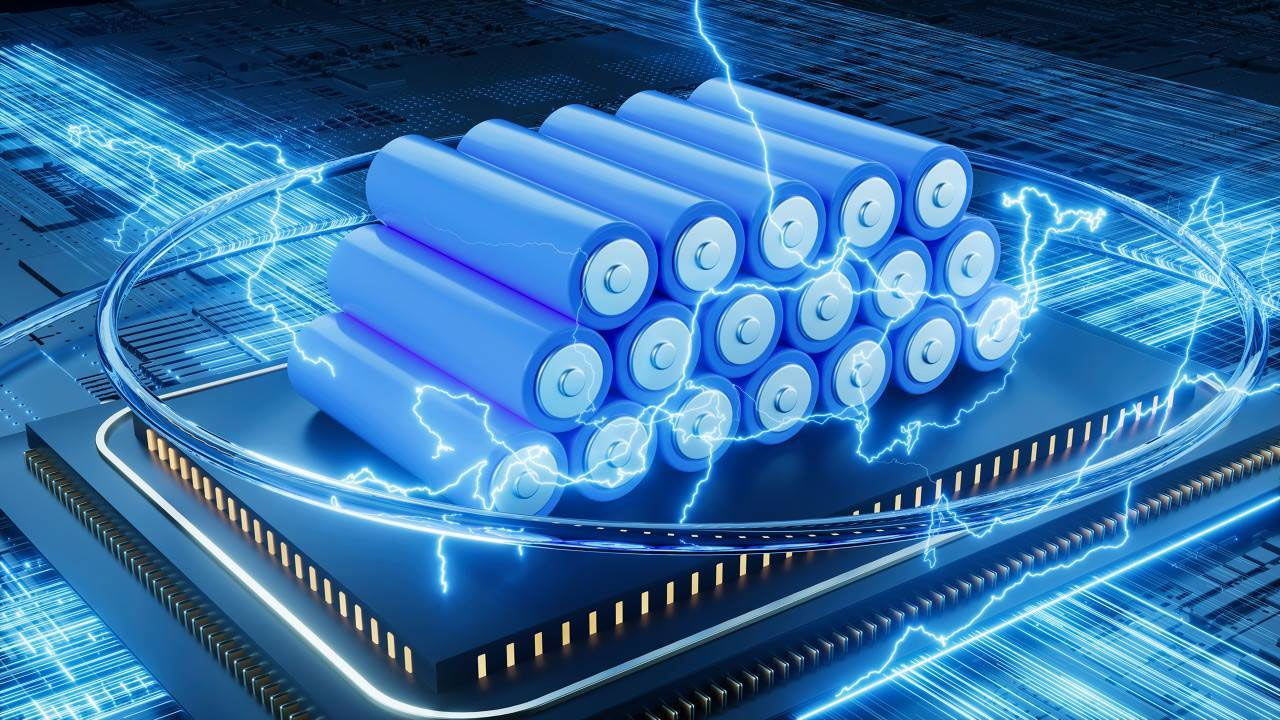
As we all know, BYD’s Blade Battery structure and Gotion High-Tech’s Full-Range Safety Monitoring System can deliver millisecond-level BMS warnings for battery thermal runaway risks. Combined with ceramic separator technology and flame-retardant electrolyte, the batteries remain stable even under extreme collisions, thoroughly resolving the safety pain points of lithium batteries. Lithium batteries for two-wheeler EVs have thus become safer.
Lifetime Maintenance-Free Operation
Traditional lead-acid batteries generally require replacement every 1 to 2 years, which is quite troublesome. New types of lithium batteries feature much longer service life, typically 8 to 10 years, far exceeding the average service life of electric vehicles.
This means that with high-end lithium batteries, two-wheeler electric vehicles no longer need battery replacement. The batteries can serve the whole lifespan of the vehicle and achieve lifetime maintenance-free operation.
Improved Driving Range
It is well known that lithium batteries boast far higher energy density than lead-acid batteries. Therefore, lithium batteries of the same capacity are lighter and smaller in size, laying a foundation for equipping electric vehicles with large-capacity lithium batteries.
In addition, lithium batteries support fast-charging technology, reaching 80% state of charge in only 15 minutes. Electric vehicles can bid farewell to range anxiety, and users will no longer worry about insufficient power during rides. The batteries not only have larger capacity but also support rapid energy replenishment.
The rollout of automotive-grade battery technologies brings three major improvements to electric two-wheelers: enhanced safety, lifetime maintenance-free batteries, and extended driving range.


+86 15919881272 (Dora) info@wpbattery.com

 Prev