



Release Date:2026-06
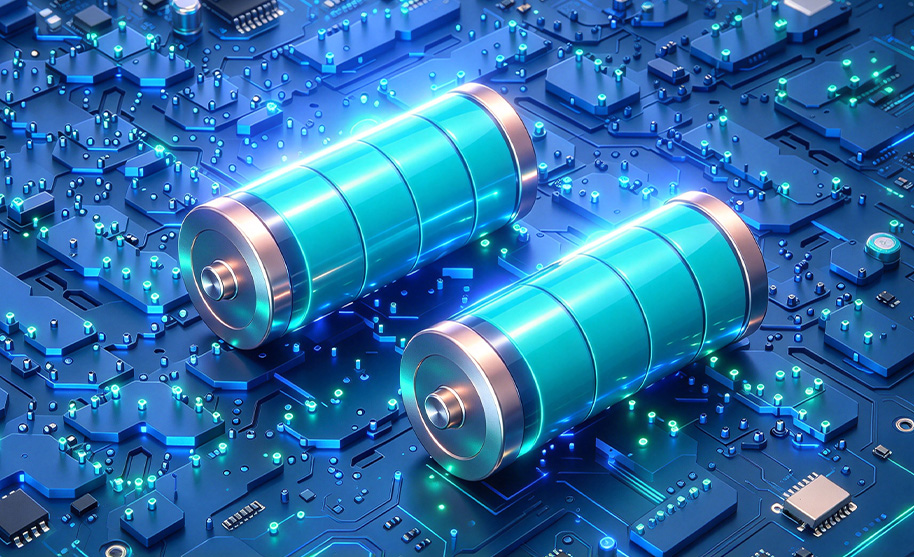
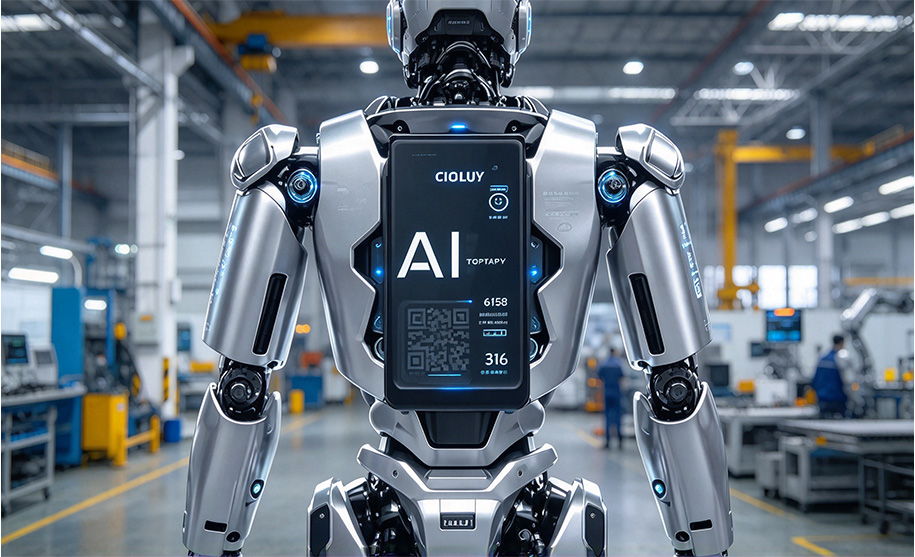
Recently, a string of news that lithium battery enterprises represented by CATL are foraying into the robotics sector has become the focus of the industry. Leveraging technology and capital as links, leading lithium battery giants are building an entirely new technological innovation ecosystem spanning battery factories to robotics laboratories.
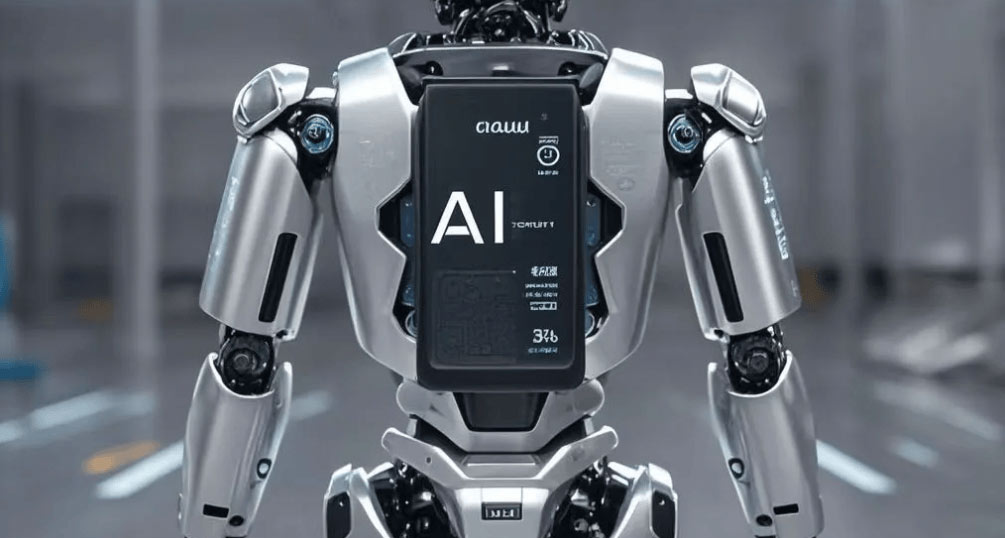
The cross-border expansion of lithium battery giants into the robotics industry follows the logic of technological accumulation and industrial synergy.
First of all, the operation of robots relies on efficient and reliable power sources, and batteries serve as the core technology.
On June 20, the chief engineer of EVE Energy, a leading lithium battery manufacturer, stated in a speech at China’s first full-industry-chain conference for humanoid robots that the biggest challenge confronting humanoid robots in the industry is insufficient endurance, which remains one of the sector’s pain points. In this regard, whoever can deliver high-energy solutions for the robotics track will seize the initiative.
Leading lithium battery enterprises represented by CATL and EVE Energy have built profound experience and technical strengths in battery R&D and manufacturing. CATL has long focused on power battery development, with industry-leading technological achievements in battery energy density, safety, charge-discharge efficiency and other aspects. EVE Energy has engaged with demands from top-tier humanoid robot clients and automotive customers, and completed sample deliveries for some clients, which serves as an initial demonstration of its technical capabilities in the robotics field.
Robots impose stringent requirements on battery performance. Batteries must feature high energy density to support long-duration operation and high power output to enable fast responsive movements, while guaranteeing safety and stability. With long-term technological accumulation, Chinese lithium battery enterprises are poised to develop battery products better tailored to robot requirements.
Secondly, lithium battery enterprises stepping into the robotics industry are expected to discover a "second growth curve".
The new energy vehicle industry has witnessed rapid development in recent years with rising market penetration. Institutions forecast that the penetration rate of new energy vehicles in China’s domestic market will exceed 55% in 2025 and surpass 70% by 2030. As penetration climbs, the growth rate of the new energy vehicle industry may slow down in the future. Competition among lithium battery enterprises in the power battery sector will intensify, and profit margins may shrink further.
Against this backdrop, lithium battery enterprises are in urgent need of a second growth curve. With the advancement of artificial intelligence technology, robot application scenarios keep expanding and market demand maintains steady growth. By entering the robotics industry, lithium battery firms may unlock another enormously large application scenario for lithium batteries.
Lastly, it is promising that at the intersection of the two major technological waves of new energy and artificial intelligence, the rapid entry of China’s lithium battery giants into robotics will not only boost the respective development of the lithium battery and robotics industries, but also help forge a brand-new technological innovation ecosystem jointly formed by the lithium battery and robotics sectors.
At present, technological synergy between the two industries will play a vital role in multiple links. For instance, upstream lithium material enterprises are researching and exploring new battery materials for robotics and other fields. This will drive material suppliers to increase R&D investment and develop new materials more suitable for robot batteries. In the midstream segment, lithium battery enterprises can not only supply high-performance batteries for robots, but also carry out in-depth cooperation with robot body manufacturers and component suppliers by virtue of their manufacturing advantages, facilitating optimization and innovation in robot manufacturing processes. Downstream, the wide adoption of robots in industrial, service, consumer and other fields will in turn feed back into lithium battery manufacturing and application, thereby empowering the transformation and upgrading of more industries.


+86 15919881272 (Dora) info@wpbattery.com

 Prev